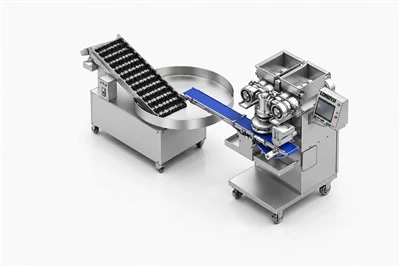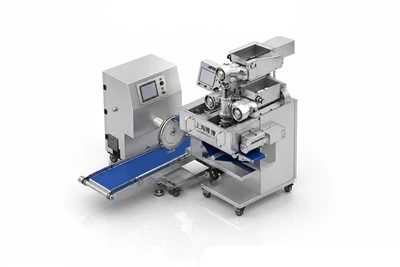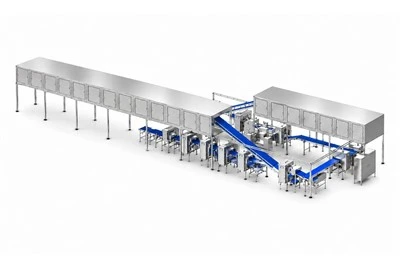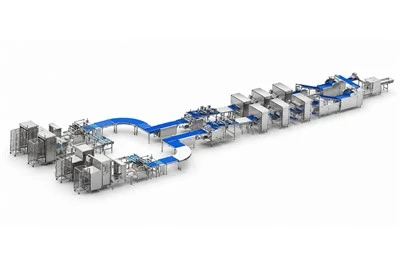

A bread machine is an appliance that automatically kneads dough, allows it to rise (ferment), and bakes it into various types of bread once the ingredients have been loaded according to the machine's specifications. These machines are categorized into household and commercial models. The bread-making process primarily consists of three stages: kneading, fermentation, and baking. Operationally, the machine uses a built-in motor to drive a mixing paddle for kneading dough, while a temperature control system ensures precise fermentation and baking. Integrated smart programs automate the process by executing specific commands-such as kneading, fermenting, and baking-at preset times. A typical bread-making sequence involves: kneading, fermentation, shaping, a second fermentation, re-kneading, and baking.
It is worth noting that the kneading function-a core feature-has specific technical characteristics. For instance, household bread machines typically have lower motor power, resulting in limited kneading efficiency and longer processing times. Additionally, because heat generated during kneading does not easily dissipate within the enclosed chamber, prolonged kneading can cause the dough temperature to rise excessively, potentially compromising the fermentation process.
Structural Components
A bread machine comprises an oven chamber, kneading barrels positioned side-by-side within the chamber, and a drive mechanism that rotates at least one of the barrels both clockwise and counter-clockwise. A connecting shaft extends eccentrically from the kneading barrel and rotates around the barrel's axis of rotation. A connecting rod links these shafts, transmitting rotational motion between the kneading barrels.