
Does Every Bread Need a Perfect Windowpane?
A thin, transparent windowpane is often treated as proof of perfectly kneaded bread dough. If the dough tears too early, many bakers simply keep mixing.
But does every bread really need a perfect windowpane?
No. The real goal is not maximum gluten development, but the right development for the product and process.
What Does the Windowpane Test Tell Us?
During mixing, gluten develops and gives dough the elasticity and extensibility needed to stretch and retain fermentation gases.
The windowpane test helps us observe this development. A less-developed dough tears more easily, while a well-developed dough can usually stretch into a thinner membrane.
However, the thinnest possible membrane is not automatically the best endpoint.
Flour characteristics, hydration, sugar and fat content, fermentation strategy, and the final bread all influence how much development is required.
Different Bread, Different Dough Requirements
Artisan breads may continue developing strength through fermentation and folding, so intensive initial mixing is not always necessary.
Soft rolls and sweet breads require sufficient structure for dividing, rounding, forming, and proofing, but their ideal mixing endpoint varies with the recipe.
Toast and sandwich breads generally require reliable dough strength and gas retention to support controlled expansion and a relatively uniform crumb.
So instead of asking:
"Is my windowpane transparent enough?"
Ask:
"Does this dough have the right properties for the bread I am producing?"
Why Does This Matter in Industrial Production?
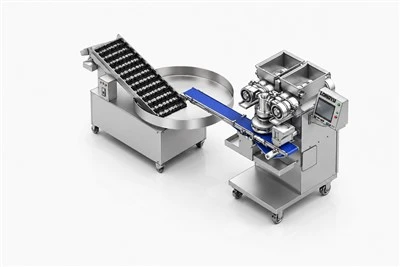
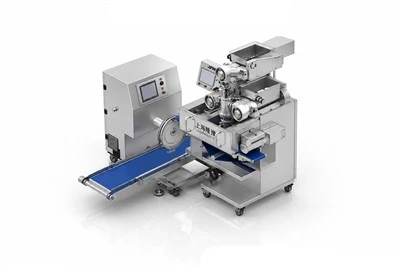
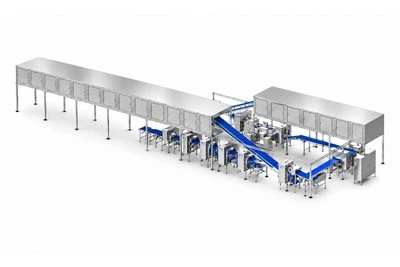
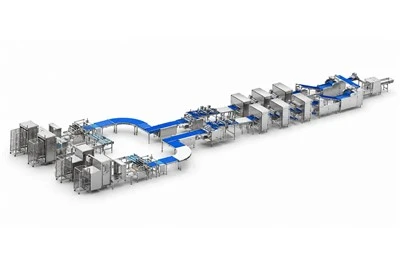
In an Automatic Bread Production Line, dough must move continuously through several processes.
Mixing → Dividing → Rounding → Forming → Proofing → Baking
Dough that is too resistant may shrink after forming. Dough that is too weak or sticky may become difficult to divide, shape, or convey consistently.
This means mixing cannot be evaluated separately from the rest of production.
A stable Automatic Bread Production Line needs dough with repeatable handling properties - not simply dough that produces the most impressive windowpane.
Conclusion
A perfect windowpane is a useful visual reference, not a universal standard.
For an Automatic Bread Production Line, the real objective is to prepare dough with the right strength and extensibility for every process that follows.
The best dough is not the dough mixed the longest. It is the dough developed for the right product.