
Butter leakage is a common problem in croissant production. Sometimes the fat becomes too soft and blends into the dough. In other cases, it breaks into small pieces during sheeting.
Both situations can damage the laminated structure and affect the finished product.
Successful lamination depends on the compatibility between dough and fat, not simply keeping everything as cold as possible.
Why Does Butter Consistency Matter?
During lamination, butter must stretch together with the dough to form continuous, thin layers.
If the butter is too soft, it may spread unevenly or become incorporated into the dough, reducing layer separation.
If it is too hard, it may fracture under pressure, leaving gaps in the fat layers.
The ideal condition depends on the butter's plasticity, the dough's resistance, and the processing temperature.
A useful practical observation is whether the butter can deform under pressure without becoming greasy or breaking apart.
Why Is Dough Relaxation Important?
Even when the butter is properly prepared, dough that is too tight can create problems.
During sheeting, developed gluten may resist stretching and cause the dough to shrink back. This resistance increases stress on the fat layers.
Resting or chilling the dough can reduce resistance and help restore suitable processing conditions.
However, industrial production does not always require chilling after every fold. The necessary resting time depends on the recipe, equipment, temperature, and dough condition.
How Does This Affect Industrial Lamination?
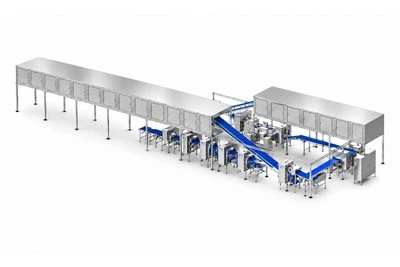
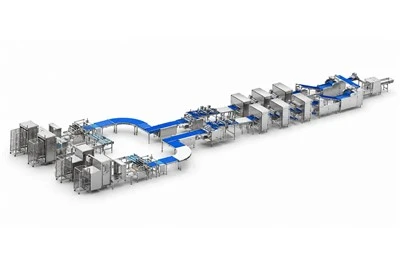
In a Croissant Production Line, dough and fat must pass through repeated sheeting and folding operations.
If their mechanical properties differ significantly, continuous processing may produce irregular layers, uneven thickness, and inconsistent finished products.
Temperature management is therefore important throughout the lamination process, particularly during extended production runs.
How Can Manufacturers Reduce Butter Leakage?
Check the condition of both materials before lamination.
Use fat with suitable plasticity for the intended process, and avoid excessive temperature increases during sheeting.
When the dough becomes resistant or the fat begins to soften, adjust the processing conditions rather than continuing without interruption.
For a Croissant Production Line, consistent material preparation and controlled processing are essential for maintaining stable laminated layers.