
Croissant dough may look properly laminated before baking, yet the finished product sometimes shows compressed layers with little separation.
One possible cause is excessive mechanical pressure during sheeting.
Lamination is not just about making dough thinner. It is about reducing thickness while preserving the structure between dough and fat layers.
What Happens When Dough Is Sheeted?
During sheeting, the dough passes between rollers that progressively reduce its thickness.
For laminated pastry, this operation must stretch the dough and fat layers together without causing excessive compression or tearing.
If the thickness reduction is too aggressive, the dough may deform unevenly, fat layers may become discontinuous, and neighboring dough layers may come into contact.
Once the laminated structure is damaged, the final product may show poor separation and reduced expansion.
Why Does Dough Resistance Matter?
Dough elasticity and extensibility affect how it behaves under pressure.
When gluten is too resistant, the dough tends to shrink back after sheeting. Continued processing without sufficient relaxation may increase mechanical stress.
This can lead to uneven dough thickness, distorted shapes, or damaged layers.
Resting allows the dough to relax and makes further thickness reduction easier.
What Changes in Industrial Production?
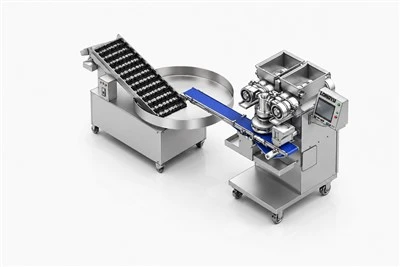
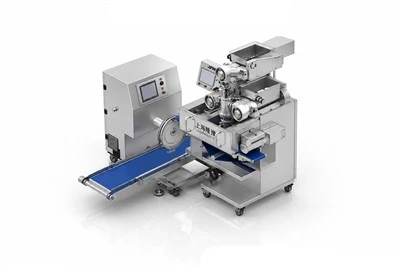
A Dough Sheeter is designed to reduce dough thickness through controlled roller movement.
However, equipment settings must match the characteristics of the dough being processed.
Important considerations include the initial dough thickness, roller gap, thickness reduction between passes, dough temperature, and processing speed.
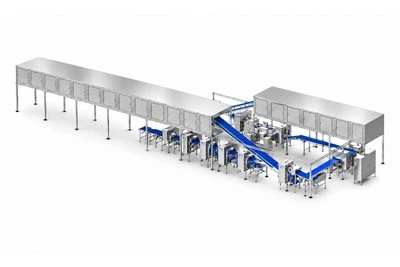
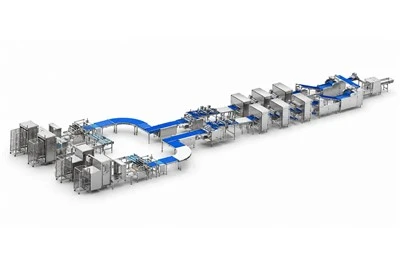
For continuous laminated pastry production, these parameters should remain stable to reduce variation between batches.
How Can Manufacturers Protect Laminated Layers?
Avoid excessive thickness reduction in a single pass.
Use progressive sheeting steps appropriate for the dough's resistance and the required final thickness.
Monitor dough temperature and allow relaxation when significant shrinkage occurs.
The objective is to maintain a uniform dough sheet while preserving continuous fat layers.
A properly configured Dough Sheeter helps manufacturers achieve repeatable thickness control, but material preparation and processing conditions remain equally important.